 Contact



#AI #EthicalDilemmas #EmergingTechnologies
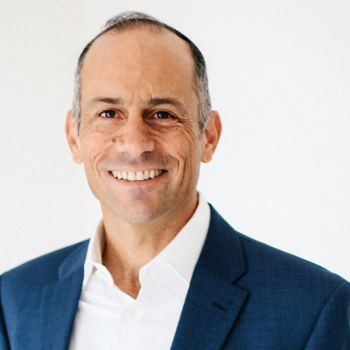
Currently an advisor to Anthropic, he is the creator of the self-driving car chip with his company Mobileye, which was sold to Intel for US$15.3 billion. With a PhD in Philosophy, he recently gave lectures at the Vatican and will speak to us about AI, Ethics, and Religion.
Mois Navon is a global high-tech leader who uniquely combines extraordinary technological innovation with a deep spiritual and philosophical background.
Navon was born in the United States and graduated from UCLA. He began his career at NASA, where he created the simulator for the Star Wars anti-missile defense program. He later developed image compression technology, a cancer detection system, and on-demand aircraft display systems. As Chief Engineer at Mobileye, he developed the chip that became the precursor to autonomous vehicles. Mobileye transformed the industry and became the second-largest exit in Israel’s history when it was acquired by Intel for USD 15.1 billion. To date, Mobileye has sold more than 200 million chips and holds 80% of the market.
Alongside his engineering career, Navon is a rabbi and holds a PhD in Philosophy. He dedicates his life to teaching ethics in artificial intelligence, delivering classes and lectures around the world.
He is a charismatic speaker who uniquely integrates scientific knowledge, business success, spirituality, and a sophisticated academic background.
CONFERENCE
Ethics, AI, and Business
In a context where emerging technologies are redefining how businesses operate, ethics has become a key strategic factor for sustainability and trust in business. In this talk, Mois Navon will address why, now more than ever, organizations must integrate ethical principles into their innovation processes, especially in the development and adoption of disruptive technologies such as artificial intelligence.
Through real-world case studies from the automotive industry—one of the sectors most impacted by automation and algorithmic decision-making—he will explore how ethical dilemmas move from theory to concrete situations that affect companies, regulators, and consumers.
The session will also offer a practical look at the main ethical dilemmas currently facing organizations working with AI, including topics such as algorithmic accountability, transparency, data bias, and the social impact of automation.